Case studyMarinePort of Tyne, UK

How a UK patrol boat operator turned engine data into fuel savings and better crew habits.

A UK operator based at the Port of Tyne fitted the IoTize marine CAN bus gateway to its patrol boat. Engine, navigation and crew-behaviour data went live to the cloud over 4G, and showed where high RPM was burning fuel for nothing.

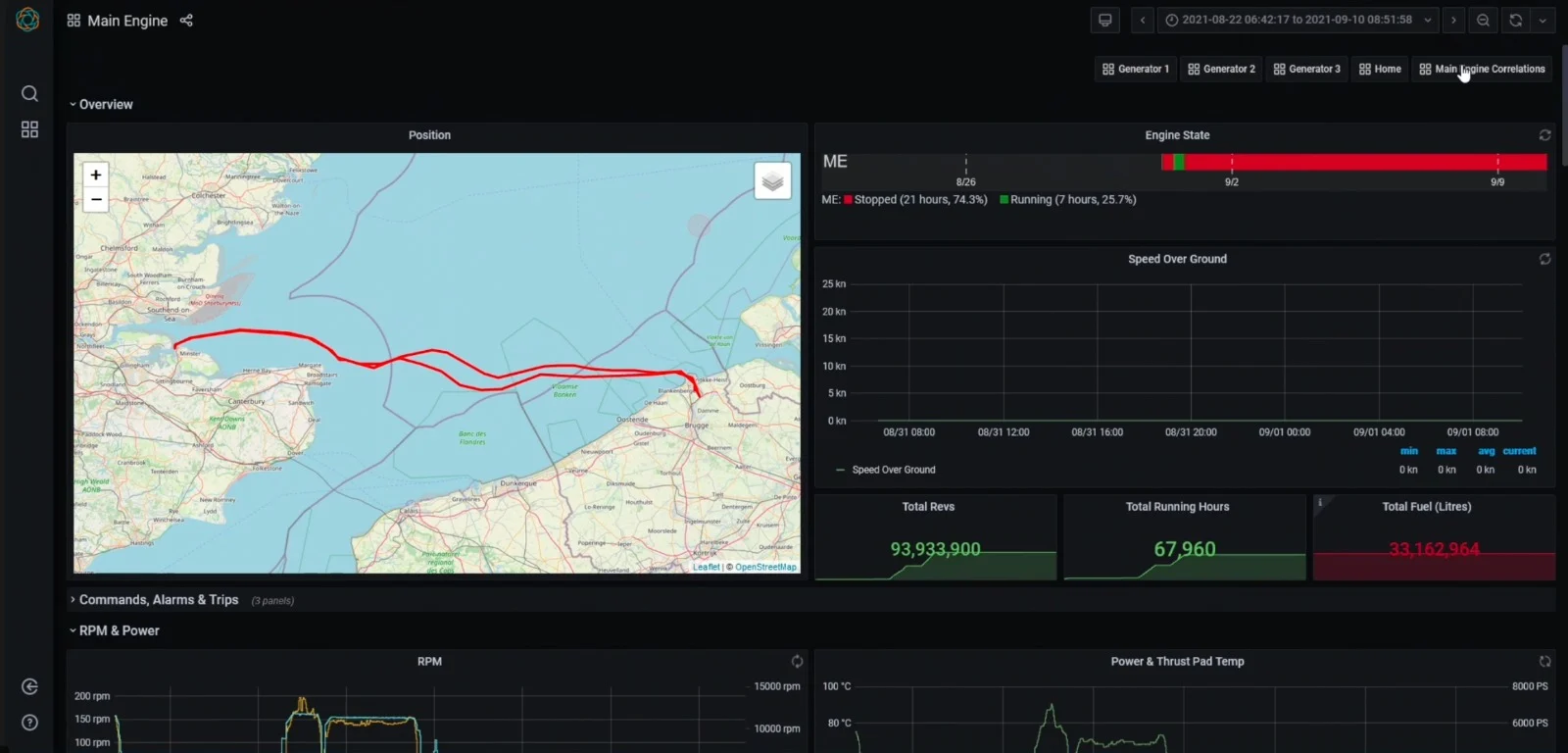
IoTize marine engine dashboard showing the patrol boat's GPS track on a map, engine state, speed over ground, total revs, running hours and fuel
Navigation (NMEA 2000)Live position + speed
Engine (J1939)State, RPM, hours, fuel
Live over 4G, from sea
The client's real dashboard, August to September 2021: one screen for the engine, the generators and the boat's position.
ClientUK port operator (anonymous)
VesselPatrol boat, Scania engines
BasePort of Tyne, UK
InstalledJuly 2021
Data linkJ1939 + NMEA 2000, 4G
The results at a glance

Fitted by their own engineers in an afternoon.

From the client's installation and how they used the data afterwards.

2-3hours
To install

Fitted by the client's own engineers, on the boat's existing CAN networks.

2networks
Read by one gateway

J1939 for the engines, NMEA 2000 for navigation.

4habits
Crew behaviour measured

Over-revving, idle time, harsh speed changes and fuel per nautical mile.

+1next step
Repeat order

More devices, plus a separate predictive maintenance device.

01 · The challenge

Once the boat left the harbour, the office lost sight of it.

The client runs patrol boats out of the Port of Tyne. Fuel was one of their biggest running costs, but they had no way to connect it to how each boat was actually driven, or to see a full record of every patrol in one place.

Rising fuel cost

Fuel bills came in, but nothing showed which trips or habits were driving them.

Crew behaviour unseen

How hard the engines were pushed depended on who was at the helm, and no one could measure it.

No central log

No single cloud record of patrol routes, engine hours and running data.
02 · The solution

One gateway on the networks the boat already had.

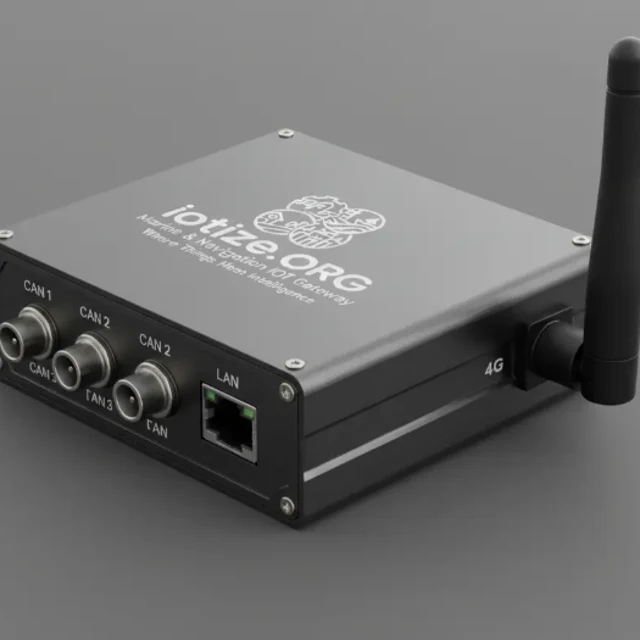
Modern marine engines like the boat's Scania units already talk on J1939, and the navigation electronics talk on NMEA 2000. The IoTize Smart Marine Engine & Navigation CAN Bus Gateway listens to both, so no new engine sensors were needed.

The client's own engineers fitted it in 2 to 3 hours. Data went out over 4G to their own Grafana-based cloud. They kept full control of their data, with no lock-in to our servers.

Fitted by their own teamThe client's engineers installed it in 2 to 3 hours, in July 2021.
Their cloud, their dataData went to the client's own Grafana-based cloud, not locked into ours.
Engine state, running / stoppedMain engine RPM and powerRunning hours and total revsFuel usedThrust pad temperatureGenerators 1, 2 and 3GPS position and routeSpeed over groundCommands, alarms and trips
03 · Proof it works

Real data from a real boat at sea.

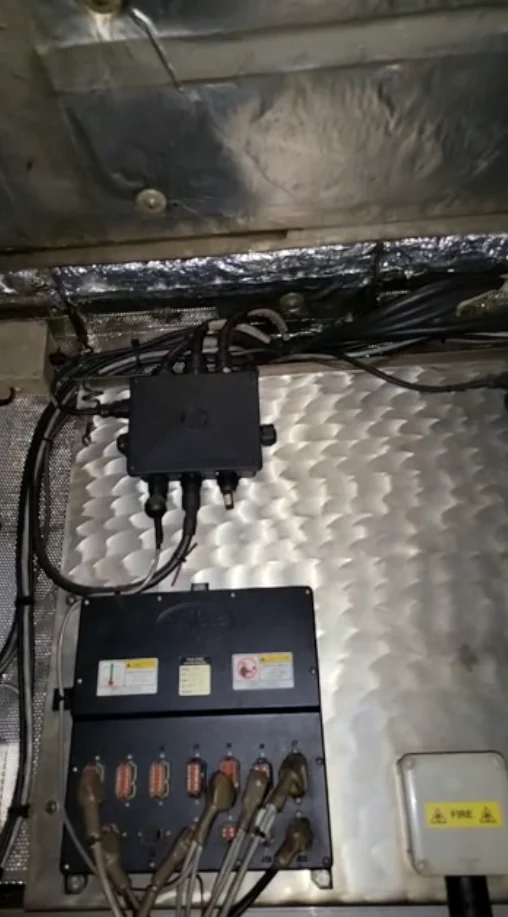
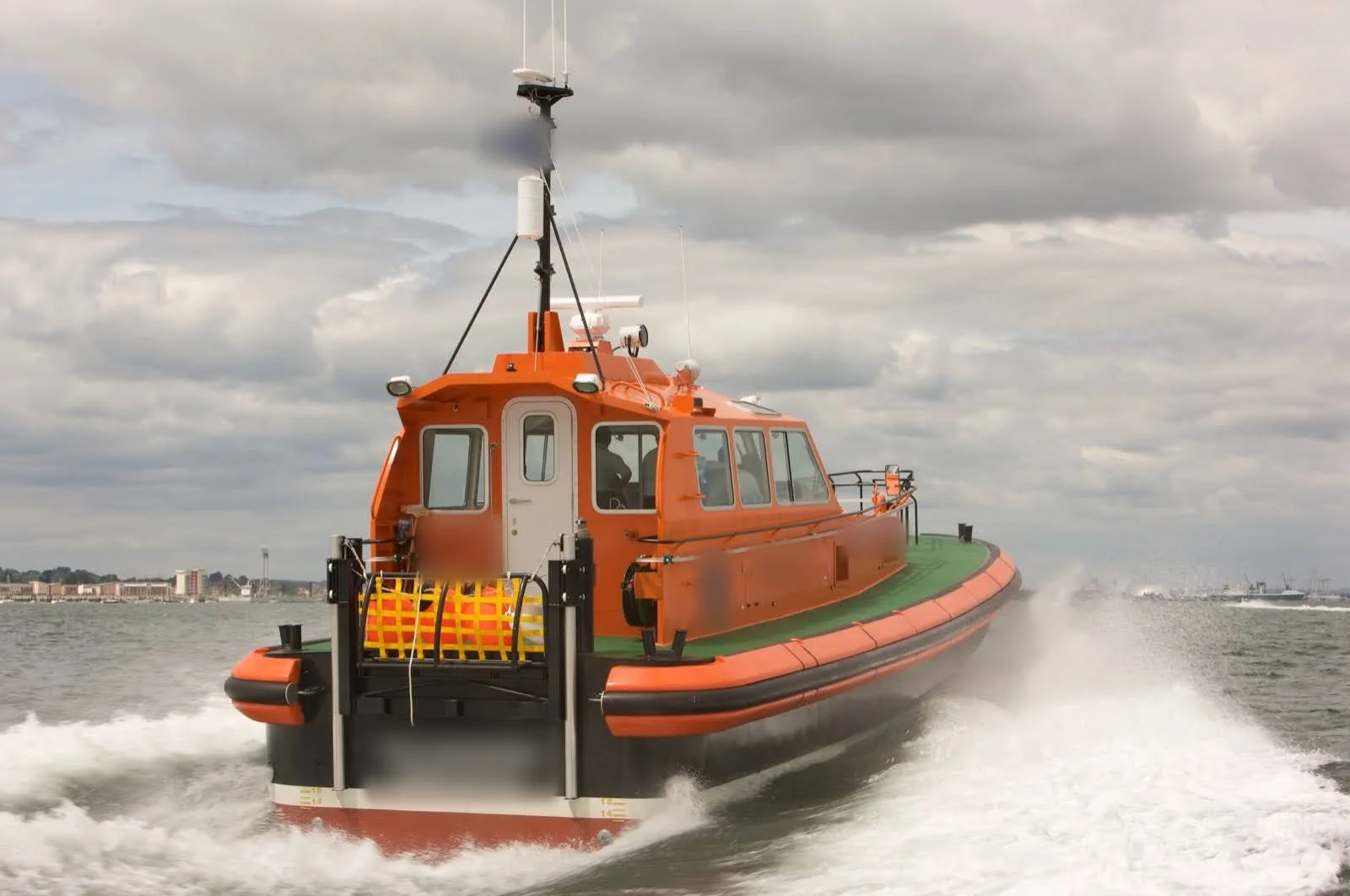
These aren't mock-ups. Here is the client's boat, the installation on board behind the engine-room panel, and their dashboard from August and September 2021, with the boat's track across the southern North Sea, its engine record and its speed.

The client's orange patrol boat at speed off the UK coast, with its name and markings blurred
The vessel. The client's boat at sea. Name and markings blurred.
Installation on board the patrol boat, behind the engine-room panel, with cables connected to the vessel's CAN networks
On board. Connected to the boat's existing CAN wiring.
Full view of the marine engine dashboard with position map, engine state timeline, speed over ground, RPM, power and thrust pad temperature panels
One screen for the whole boat. Position, engine state, speed, RPM and generators, August to September 2021.
Original photos and screenshot from the client's vessel. No stock images, no mock-ups.
04 · What the data showed

High RPM was burning fuel, and the data showed who and when.

The biggest finding was simple: running the engines at high RPM was wasting fuel. Past a certain point, more throttle burns much more fuel for little extra speed, and the data made that visible trip by trip.

Because engine and navigation data sat side by side, the client could measure four crew habits for every patrol, and keep a full log of where each boat went.

01Over-revving

Time spent above the efficient RPM band, where fuel use climbs fastest.

02Idle time

Engines running while the boat isn't going anywhere.

03Harsh speed changes

Hard throttle-ups and sudden slow-downs that cost fuel and stress the engine.

04Fuel per nautical mile

The one number that shows how efficiently each patrol was driven.

Plus: a log of every patrol path

Each route recorded in the cloud with time, speed and engine data, instead of in paper logbooks.

Fuel stopped being a bill at the end of the month. It became something each crew could see, trip by trip, and change.

05 · What changed

The crew saw their own numbers, and the costs came down.

1
July 2021Fitted by the client's engineers

The gateway went onto the boat's J1939 and NMEA 2000 networks in 2 to 3 hours.

2
From day oneData live in their cloud over 4G

Engine, generator, position and speed data streamed to the client's own dashboards.

!
The findingHigh RPM wasting fuel

Crew habits and fuel per nautical mile showed where fuel was being lost.

3
NextThe crew were briefed with the data

Crews were kept updated with their own figures, so better habits were based on facts.

4
AfterMore devices, and predictive maintenance

The client ordered more devices, and the data opened the door to a separate predictive maintenance device.

Fuel savings

Less fuel burned once crews eased off high RPM.

Lower maintenance cost

Engines worked less hard, and needed less maintenance.

Central cloud logs

Every patrol, engine hour and route in one place, not in paper logbooks.

A bigger project

More devices, and a move into predictive maintenance.

Is this your fleet?

Your boats may be burning fuel the same way.

Patrol boats, pilot boats, tugs, workboats and ferries all face the same thing: fuel is a top cost, and the person at the helm decides how much is used. Tick what sounds like your operation.

Tick any that apply.

Find out what your engines are really costing you.

Tell us about your boats and engines. We'll check your networks and recommend the right gateway.

About this case study: installation in the UK, July 2021. The client and vessel are kept anonymous at the client's request. The vessel photo, on-board photo and dashboard screenshot (August to September 2021) are original images; the boat's name and markings are blurred.

How can we help?